
Medicinal mushrooms have a long history in traditional medicine for supporting vitality, circulation, immune resilience, and stress adaptation. Modern research now suggests that certain mushrooms may also indirectly promote healthier hair and scalp by addressing underlying factors such as inflammation, oxidative stress, microcirculation, gut health, and hormonal balance.
How Hair and Scalp Health Connects to Whole‑Body Wellness
Hair follicles are highly metabolically active and depend on steady blood flow, oxygen delivery, and adequate nutrients like protein, iron, zinc, biotin, and essential fatty acids. Balanced stress hormones, a resilient immune system, and a healthy gut microbiome are also crucial. Chronic stress, poor sleep, nutrient depletion, inflammation, or microbial imbalance can disrupt the hair growth cycle, leading to shedding or thinning. Medicinal mushrooms support the body’s regulatory systems—nervous, immune, endocrine, cardiovascular, and digestive—helping to create a healthier internal environment for hair and scalp.
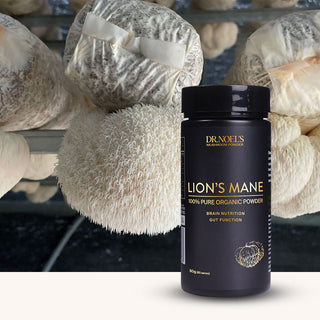
Lion’s Mane: Nerve, Gut, and Stress Support for Hair
Lion’s Mane (Hericium erinaceus) is renowned for its effects on the nervous system and gut lining, both of which play indirect but important roles in hair health. Human trials suggest Lion’s Mane can help reduce feelings of anxiety and depression, supporting neuroplasticity and normalizing stress hormone output. Preclinical studies indicate it supports gut integrity and beneficial gut bacteria, improving nutrient absorption and reducing systemic inflammation. Its antioxidant actions may also help protect hair follicles from oxidative stress. For those seeking to improve the internal environment that supports hair follicles, Lion’s Mane powder is a promising supportive option.
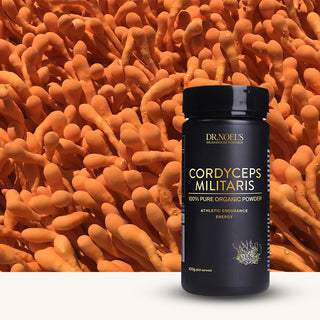
Cordyceps: Energy, Circulation, and Scalp Microcirculation
Cordyceps (Cordyceps militaris or sinensis) is used to support stamina and oxygen utilization, which can benefit the scalp and follicles. It has been studied for enhancing aerobic capacity and supporting endothelial function, improving microcirculation and nutrient delivery to hair follicles. Cordyceps contains compounds that may support mitochondrial function and modulate inflammatory pathways, creating a calmer scalp environment. If you’re looking to support energy, circulation, and inflammatory balance, Cordyceps powder is a valuable addition to your routine.
Chaga: Antioxidant Protection for Follicles and Scalp
Chaga (Inonotus obliquus) is one of the most antioxidant-dense mushrooms, helping to protect hair follicles from free radical damage caused by UV exposure, pollution, and inflammation. Chaga is rich in polyphenols, melanin-like compounds, and triterpenes that reduce oxidative stress, which is linked to premature follicle aging and changes in hair quality. Its bioactive compounds also support the skin and scalp barrier, helping to calm irritation and inflammation. For those with hair concerns tied to environmental stressors or scalp sensitivity, Chaga powder can be an important part of a daily regimen.
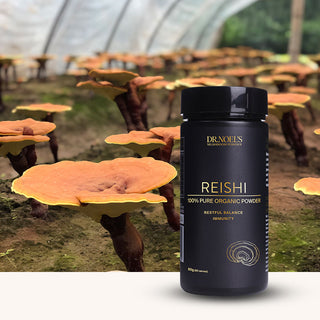
Reishi: Hormonal Balance, Sleep, and Immune Modulation
Reishi (Ganoderma lucidum) is known for its effects on immune regulation, stress response, and sleep quality. As an adaptogen, Reishi promotes restful sleep and calms the nervous system, supporting more balanced stress responses and favorable hormonal conditions for hair. Some research suggests Reishi triterpenes may influence androgen metabolism and immune activity, which is relevant for inflammatory and autoimmune scalp conditions. Its anti-inflammatory and anti-allergic actions may also help with itchy, reactive scalps. If your hair concerns are linked to stress, poor sleep, or an irritated scalp, Reishi powder is a top choice.
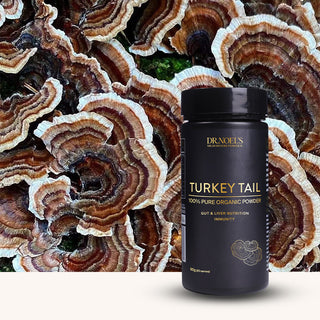
Turkey Tail: Gut Microbiome and Immune Support
Turkey Tail (Trametes versicolor) is rich in polysaccharides that influence the immune system and gut microbiome. Acting as a potent prebiotic, Turkey Tail supports beneficial bacteria, improving nutrient absorption, barrier integrity, and reducing systemic inflammation. It helps normalize immune responses, which can be helpful for scalp inflammation or immune-related hair issues. For those with hair issues alongside digestive discomfort or suspected gut imbalance, Turkey Tail powder is a key supportive mushroom.
Why Dr Noel’s Mushroom Powders Are Different
Dr Noel’s Mushroom Powders are dual-extracted for maximum bioavailability, capturing both water-soluble and alcohol-soluble compounds. They are certified organic, rigorously tested for contaminants and active compounds, and made from concentrated fruiting body extracts for potency. The formulas are designed for synergy, combining Lion’s Mane, Cordyceps, Chaga, Reishi, and Turkey Tail to address stress, circulation, immunity, gut health, and antioxidant protection—factors that all contribute to hair and scalp health. Many customers report stronger, shinier hair, reduced shedding, and a calmer scalp after several weeks of consistent use, especially when combined with a nutrient-dense diet and appropriate care.
How to Use Medicinal Mushrooms for Hair and Scalp Health
For best results, take medicinal mushrooms consistently over weeks to months, as hair growth cycles are long. Use 1 to 2 servings daily of a combined formula or individual powders, as directed. Combine with a balanced diet rich in protein, iron, zinc, omega-3s, and colorful plants, along with good sleep and stress management. It often takes 8 to 12 weeks to notice changes in hair shedding, thickness, or scalp comfort. Always consult your healthcare provider before starting new supplements if you are pregnant, breastfeeding, on medication, or managing chronic illness.
FAQs: Medicinal Mushrooms for Hair and Scalp Health
1. Can medicinal mushrooms reverse baldness or regrow hair in completely bald areas?
No. Medicinal mushrooms support underlying systems like stress response, circulation, and inflammation, but cannot reverse advanced follicle loss or scarring alopecia. They are best used to support overall scalp environment and hair quality, complementing medical or trichology treatments.
2. How long should I take Dr Noel’s Mushroom Powders before expecting to see changes in my hair?
Most people need at least 8 to 12 weeks of consistent daily use to assess changes in shedding, thickness, or shine, as hair grows in cycles. Some notice improved energy, sleep, or digestion sooner, which may precede visible changes in hair and scalp.
3. Are Dr Noel’s Mushroom Powders suitable if I have a sensitive or inflamed scalp?
Yes, many customers with sensitive scalps choose these powders because they are certified organic, dual-extracted, and tested for contaminants. The anti-inflammatory and antioxidant properties of Reishi, Chaga, and Turkey Tail can help support a calmer internal environment for an irritated scalp.
4. Can I combine mushroom powders with topical hair growth products or supplements like biotin?
Yes, mushroom powders complement most topical treatments and hair-focused supplements. They act through systemic mechanisms such as immune, stress, and circulation support, while topicals and specific nutrients act more directly on follicles. Always check with your practitioner if you are on prescription medications or have a complex medical history.
5. Which Dr Noel’s mushrooms should I prioritise if my main concerns are stress-related shedding and poor sleep?
Reishi and Lion’s Mane are typically the first choices for stress-linked hair concerns, supporting the nervous system, mood, and sleep quality. Many people combine them with Cordyceps for energy and circulation, or with Chaga and Turkey Tail for antioxidant and gut-immune support for a comprehensive hair-focused regimen.
Selected Sources
1. Friedman M. Chemistry, nutrition, and health-promoting properties of Hericium erinaceus (Lion’s Mane) mushroom fruiting bodies and mycelia.
2. Zhang J et al. Cordyceps militaris improves exercise endurance capacity and fatigue-related biomarkers in humans.
3. Zjawiony JK. Biologically active compounds from the genus Inonotus (Chaga) and their potential effects on oxidative stress and inflammation.
4. Sanodiya BS et al. Ganoderma lucidum: A potent pharmacological macrofungus for medicinal use.
5. Patel S, Goyal A. Recent developments in mushrooms as anti-cancer therapeutics: a review on Turkey Tail (Trametes versicolor) polysaccharides and immune modulation.