
Skin inflammation can manifest as acne, eczema, psoriasis, rosacea, or general redness and irritation. While topical creams may offer temporary relief, long-term improvement often requires addressing internal inflammation, supporting immune balance, and strengthening the skin barrier from within. Medicinal mushrooms such as Lion’s Mane, Cordyceps, Chaga, Reishi, and Turkey Tail are increasingly recognized for their potential to support these processes as part of a holistic wellness plan.
Why Medicinal Mushrooms for Skin Inflammation?
Chronic skin inflammation is often linked to an overactive immune response, oxidative stress, gut health imbalances, and poor stress resilience. Medicinal mushrooms contain unique polysaccharides (notably beta glucans), triterpenes, antioxidants, and prebiotic fibers that have been shown to modulate immune activity, reduce inflammation, and support both gut and skin health. While not intended to diagnose, treat, cure, or prevent disease, these mushrooms are being studied as supportive, functional ingredients for inflammatory skin issues.
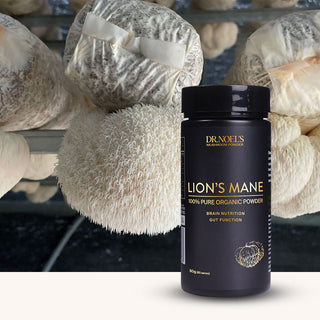
Lion’s Mane: Calming Inflammation Through the Gut–Brain–Skin Axis
Lion’s Mane (Hericium erinaceus) is renowned for its cognitive benefits, but it may also help with inflammatory skin conditions by supporting gut health and reducing systemic inflammation. Research suggests Lion’s Mane can strengthen the intestinal barrier, lower inflammatory markers, and act as a prebiotic, nurturing beneficial gut bacteria. Its extracts have demonstrated the ability to suppress pro-inflammatory cytokines and increase antioxidant enzymes, potentially reducing oxidative stress that aggravates skin issues. Additionally, Lion’s Mane may support mood and stress resilience, which can indirectly benefit the skin. If you’re interested in trying a high-quality supplement, consider Lion’s Mane powder for daily support.
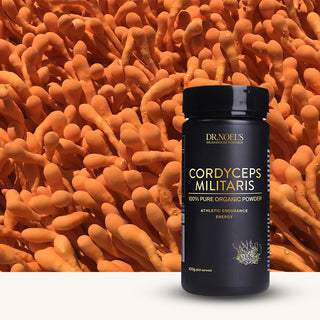
Cordyceps: Circulation, Energy and Inflammation Modulation
Cordyceps (Cordyceps militaris or sinensis) is traditionally used to support stamina and circulation. For skin inflammation, Cordyceps is valued for its immune-modulating and anti-inflammatory effects. Its polysaccharides can help balance immune responses, and studies show Cordyceps extracts inhibit NF-kB, a key driver of chronic inflammation. Improved microcirculation from Cordyceps may also enhance nutrient delivery and waste removal in the skin, supporting barrier function and tissue resilience. Explore the benefits of Cordyceps powder as part of your routine.
Chaga: Antioxidant Powerhouse for Irritated, Stressed Skin
Chaga (Inonotus obliquus) is one of the most antioxidant-rich mushrooms, containing high levels of melanin-like compounds and polyphenols. Chaga’s antioxidants help neutralize free radicals generated by UV exposure, pollution, and internal inflammation, supporting the skin’s defense systems. Some research suggests Chaga may protect collagen and elastin, promoting stronger connective tissue and better recovery from inflammatory flares. Chaga extracts have also been shown to lower inflammatory markers, which can help calm chronic redness and irritation. For those seeking antioxidant and anti-inflammatory support, Chaga powder is a valuable addition.
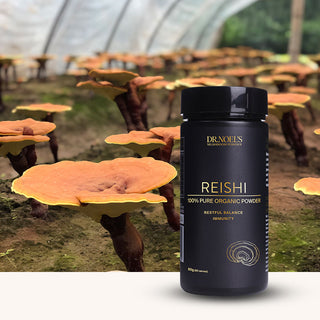
Reishi: Stress, Immunity and Skin Calm
Reishi (Ganoderma lucidum), known as the “mushroom of immortality,” is prized for its adaptogenic and immune-balancing properties. Reishi supports the body’s stress response, helping to regulate cortisol and improve sleep quality—both important for reducing stress-induced skin flare-ups. Its triterpenes and beta glucans help modulate overactive immune responses, which is beneficial for inflammatory skin conditions. Reishi also supports healthy liver function and antioxidant status, aiding the body’s natural detoxification processes. To experience these benefits, try Reishi powder as part of your daily regimen.
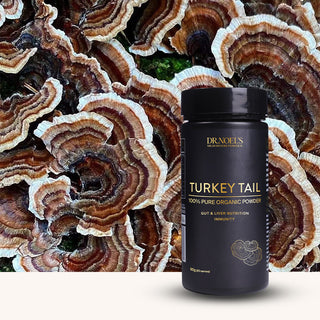
Turkey Tail: Microbiome and Immune Balance for Better Skin
Turkey Tail (Trametes versicolor) is rich in polysaccharopeptides like PSK and PSP, which are well-researched for immune and microbiome support. Turkey Tail’s complex polysaccharides act as prebiotics, feeding beneficial gut bacteria and supporting a healthy microbiome—both of which are linked to calmer, clearer skin. Turkey Tail also helps regulate immune responses, which is useful for inflammatory skin conditions. It is often combined with other mushrooms for a more comprehensive approach. Consider adding Turkey Tail powder to your wellness plan for gut and immune balance.
Why Dr Noels Mushroom Powders Stand Out
With over 15,000 customers, Dr Noels Mushroom Powders has received positive feedback from users reporting calmer, less reactive skin and reduced redness after consistent use. Our powders are made from potent fruiting body extracts for maximum bioavailability, using both hot water and alcohol extraction to capture the full spectrum of beneficial compounds. All products are certified organic, rigorously tested for purity and potency, and formulated for easy daily use. Fine powders mix effortlessly into smoothies, teas, or food, making it simple to maintain consistency—key for long-term skin and immune support.
How to Integrate Medicinal Mushrooms for Skin Support
For adults seeking to support skin inflammation, use one or more targeted mushrooms daily—such as Reishi and Chaga for inflammation and stress, plus Lion’s Mane or Turkey Tail for gut and immune balance. Start with the recommended serving and build up gradually, combining mushroom use with a nutrient-dense diet, good sleep, stress management, and appropriate medical care. Always consult your healthcare practitioner before starting any new supplement, especially if you are pregnant, breastfeeding, have autoimmune conditions, or take medications.
FAQs about Medicinal Mushrooms and Skin Inflammation
1. How long does it usually take to notice skin changes after starting Dr Noels Mushroom Powders?
Most customers notice subtle improvements in redness, flare frequency, or overall skin comfort after 4 to 6 weeks of consistent daily use, with more pronounced benefits often reported after 3 months. Mushrooms work best as steady, long-term support rather than a quick fix.
2. Which mushroom is best if my skin issues flare when I am stressed or sleep deprived?
Reishi is often the first choice due to its adaptogenic and calming effects, followed by Lion’s Mane for mood and mental clarity. Together, they support nervous system balance, stress resilience, and sleep quality, which can significantly affect stress-related skin inflammation.
3. Can I take multiple Dr Noels Mushroom Powders at the same time for my skin?
Yes, many people combine two or more mushrooms to address different aspects of skin inflammation. For example, Reishi plus Chaga for anti-inflammatory and antioxidant support, with Turkey Tail for gut and immune balance. Our dual-extracted, standardized powders allow for complementary effects without unnecessary fillers.
4. Will medicinal mushrooms interfere with my topical treatments or skincare routine?
Dr Noels Mushroom Powders work from the inside out and do not directly interact with topical skincare products. Combining internal mushroom support with a gentle skincare routine often yields better results than relying on either approach alone. Always consult your dermatologist if you use prescription topicals.
5. Are Dr Noels Mushroom Powders suitable for people with autoimmune-related skin conditions?
Many customers with autoimmune-associated skin issues use our powders under healthcare supervision. Medicinal mushrooms tend to modulate rather than overstimulate the immune system, but it is important to consult your clinician before adding any immune-active supplement, including medicinal mushrooms.
Selected Sources
1. Friedman, M. Mushroom polysaccharides: chemistry and anti-inflammatory properties. Journal of Agricultural and Food Chemistry.
2. Bisen, P. S. et al. Therapeutic and nutritional values of mushrooms. Current Topics in Nutraceutical Research.
3. Wasser, S. Medicinal mushrooms as a source of antitumor and immunomodulating polysaccharides. Applied Microbiology and Biotechnology.
4. Valverde, M. E. et al. Edible mushrooms: improving human health and promoting quality life. International Journal of Microbiology.
5. Cheng, C. R. et al. Immunomodulatory and anti-inflammatory effects of Ganoderma lucidum and other medicinal mushrooms. Phytotherapy Research.