
Liver “stress” is a broad term that can include exposure to toxins and alcohol, metabolic overload, inflammation, oxidative stress, and the early stages of fatty liver. Modern lifestyles place a heavy burden on this vital organ, which works around the clock to detoxify the body, regulate blood sugar, metabolise fats and hormones, and support immunity.
How Medicinal Mushrooms Support a Stressed Liver
Medicinal mushrooms are increasingly researched for their potential to support liver health through antioxidant, anti-inflammatory, immunomodulating, and hepatoprotective effects. While they are not a cure for liver disease and should never replace medical care, certain species show promising benefits as adjuncts to a liver-supportive lifestyle.
Across species, medicinal mushrooms tend to share several mechanisms that are especially relevant for liver stress:
- Antioxidant activity: Many mushrooms are rich in polyphenols, melanin, ergothioneine, and other compounds that help neutralise free radicals and reduce oxidative damage to liver cells. A 2023 review in Nutrients highlights strong antioxidant and hepatoprotective properties across multiple medicinal mushrooms, including Reishi powder, Chaga, and Cordyceps.
- Anti-inflammatory effects: Chronic, low-grade inflammation accelerates liver damage. Polysaccharides and triterpenes in mushrooms can modulate inflammatory pathways that affect the liver.
- Immune modulation: The liver is an immune-dense organ. Beta glucans and related compounds in mushrooms can help balance immune responses, potentially protecting liver tissue during immune-mediated damage.
- Support for detoxification and metabolism: Certain mushrooms appear to support liver enzymes, improve lipid metabolism, and help regulate blood sugar, all of which are central to liver stress and fatty liver.
Reishi: Calming Inflammation and Protecting Liver Cells
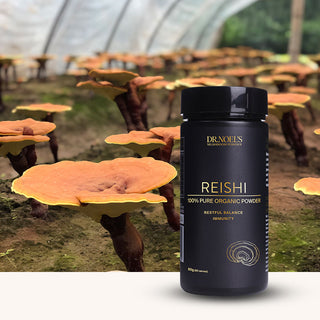
Reishi (Ganoderma lucidum) is one of the best-studied mushrooms for liver support. Animal and cell studies suggest Reishi extracts can help protect liver cells against chemical toxins, reducing markers of liver damage and oxidative stress. A small human study in chronic hepatitis B found that Reishi preparations improved some immune parameters and liver-related markers, although evidence is still preliminary. Reishi’s triterpenoids appear to modulate inflammatory pathways that can otherwise worsen liver injury. For individuals under long-term stress, poor sleep, and high toxin exposure, Reishi’s calming and adaptogenic profile plus its liver-protective potential make it a strong anchor mushroom in liver stress protocols.
Chaga: Antioxidant Support for Oxidative Liver Stress
Chaga (Inonotus obliquus) is exceptionally rich in antioxidant pigments, including melanin and phenolic compounds. Lab and animal models suggest Chaga extracts significantly reduce oxidative stress markers and lipid peroxidation, which are directly involved in liver cell damage. Some preclinical evidence hints that Chaga may help regulate blood sugar and lipids, indirectly easing metabolic burden on the liver. While human trials for liver conditions are limited, Chaga powder’s antioxidant profile is compelling when the goal is to buffer the liver against daily oxidative insults from diet, toxins, and stress.
Cordyceps: Energy, Oxygen Utilisation and Liver Enzymes
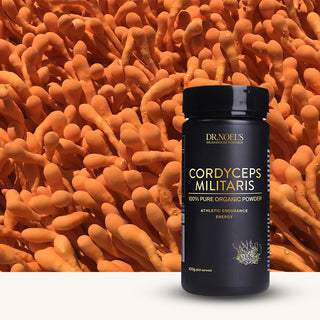
Cordyceps (Cordyceps militaris and C. sinensis) is traditionally used to support stamina, lung function, and overall vitality, but it also shows promise for liver support. Evidence suggests Cordyceps may help normalise liver enzymes—animal models of chemically induced liver damage have shown reductions in ALT and AST (liver enzymes that rise with damage) when Cordyceps extracts are given. By improving ATP production and oxygen utilisation, Cordyceps may support the significant metabolic workload the liver carries. Cordycepin and other active constituents have demonstrated anti-inflammatory effects in preclinical studies. For people experiencing fatigue alongside liver stress or metabolic overload, Cordyceps powder can be a helpful complement to Reishi and Chaga.
Lion’s Mane: Indirect Liver Support via Metabolism and Gut Health
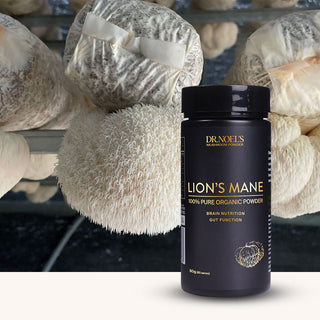
Lion’s Mane (Hericium erinaceus) is best known for its nerve growth factor stimulating compounds and cognitive benefits, but it may also support liver-relevant systems. Preclinical research suggests Lion’s Mane may improve lipid metabolism, reduce fat accumulation, and support blood sugar balance, all central to non-alcoholic fatty liver patterns. The liver is heavily influenced by gut health, and Lion’s Mane may support the gut lining and microbiome, which can reduce the flow of inflammatory molecules and toxins to the liver. While direct human studies on Lion’s Mane for liver disease are limited, its metabolic and gut support roles make Lion’s Mane powder a useful addition when liver stress is linked to diet and blood sugar issues.
Turkey Tail: Immune Modulation and Liver Function
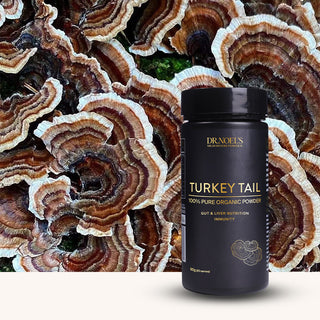
Turkey Tail (Trametes versicolor) is rich in beta glucans such as PSK and PSP, widely studied for immune modulation. Turkey Tail’s ability to balance immune function may help in conditions where immune dysregulation contributes to liver inflammation. Some studies suggest Turkey Tail may support normal blood lipids, metabolic function, and liver function markers, although research is still emerging. As part of a blend, Turkey Tail powder helps round out the immune and metabolic support that a stressed liver often needs.
Why Dr Noels Mushroom Powders Are Different
Not all mushroom products deliver the same benefits. The liver-supportive potential of these mushrooms depends heavily on how they are grown, extracted, and prepared. Dr Noels Mushroom Powders are formulated to maximise both efficacy and safety:
- Dual extracted for full spectrum benefits: We use both hot water and alcohol extraction. This releases water-soluble beta glucans and polysaccharides, as well as alcohol-soluble triterpenes and other compounds that are particularly important for liver and inflammatory pathways.
- Highest possible bioavailability: Cell walls are broken down during extraction to free active compounds from indigestible chitin. This means more of each dose is actually absorbed and available to support liver and metabolic processes.
- Certified organic: No pesticide residues or unwanted contaminants that can further burden a stressed liver. Our mushrooms are grown and processed under certified organic standards.
- Extract powders, not raw powders: Concentrated extract powders deliver consistent levels of active compounds batch to batch, unlike raw ground mushrooms where potency can vary widely.
With over 15,000 customers, many report significant improvements in key areas such as energy, digestion, clarity of mind, sleep quality, and overall resilience after using our mushroom extract powders consistently over time. A substantial portion of customers using our Reishi, Chaga, and Cordyceps blends for liver and metabolic support specifically describe improvements in blood work markers (under the guidance of their healthcare providers), better tolerance to rich foods and alcohol, and less “heaviness” or discomfort around the liver area. Individual responses vary and medicinal mushrooms are not a substitute for medical treatment, but these consistent patterns of feedback support the emerging scientific literature on mushrooms and liver health.
How to Use Dr Noels Mushroom Powders for Liver Stress
- Consistency matters: Most studies and traditional practices focus on daily intake over weeks to months, not occasional use.
- Work with your practitioner: Especially if you have diagnosed liver disease, take medications, or have viral hepatitis, you should use mushroom extracts under professional supervision.
- Combine with lifestyle change: The best results for liver stress happen when mushrooms are combined with reduced alcohol and ultra-processed food intake, weight management, movement, and adequate sleep.
FAQs about Medicinal Mushrooms for Liver Stress
1. Can medicinal mushrooms reverse fatty liver or liver disease?
No. Medicinal mushrooms cannot “cure” or reverse liver disease on their own. They may provide antioxidant, anti-inflammatory, and metabolic support that complements medical treatment and lifestyle change. Always follow your doctor’s guidance and view mushrooms as supportive, not primary, therapy.
2. Are Dr Noels Mushroom Powders safe if my liver enzymes are already elevated?
Our powders use certified organic, dual extracted mushrooms with no added fillers, which helps minimise extra burden on the liver. However, if your ALT, AST, or GGT are elevated or you have diagnosed liver disease, you must consult your healthcare practitioner before starting any supplement, including mushrooms.
3. Which mushroom is best to start with for general liver stress?
Many people begin with Reishi or a Reishi plus Chaga blend, since these species have strong antioxidant and hepatoprotective data. Cordyceps is commonly added when fatigue and low stamina are present. The ideal choice depends on your overall health picture and should be personalised with professional input.
4. How long before I may notice benefits for liver related issues?
Some customers report improvements in energy and digestion within 2 to 4 weeks, but measurable changes in liver markers and metabolic health usually require consistent use for at least 8 to 12 weeks, alongside diet and lifestyle changes. Laboratory tests ordered by your practitioner are the best way to track objective progress.
5. Can I take Dr Noels Mushroom Powders with other liver support supplements or medications?
Mushrooms are often combined with nutrients like NAC, milk thistle, B vitamins, and omega-3s in liver protocols. However, medicinal mushrooms can interact with immune modulating drugs, blood thinners, and certain chemotherapies. If you take any prescription medications or have a complex liver condition, discuss mushroom use with your prescribing clinician before starting.
Selected Sources
- Muszyńska B et al. Medicinal Mushrooms: Their Bioactive Components, Pharmacological Properties, and Clinical Studies. Nutrients 2023.
- Valverde ME et al. Medicinal Mushrooms: Bioactive Compounds, Use, and Clinical Trials. Int J Med Mushrooms 2021.
- Office of Dietary Supplements and Operation Supplement Safety, “Mushrooms in dietary supplements”.
- GoodRx. “Do Functional Mushrooms Help Pain, Inflammation, and More?”
- Gaia Herbs. “Mushrooms for Immunity: 5 Must Know Mushrooms for Immune Support”.